

This is where teaching becomes an art form.
An embodiment-based approach to modern hatha and vinyasa yoga education - built for teachers learning to guide real bodies, in real rooms, when the plan meets an actual human being.
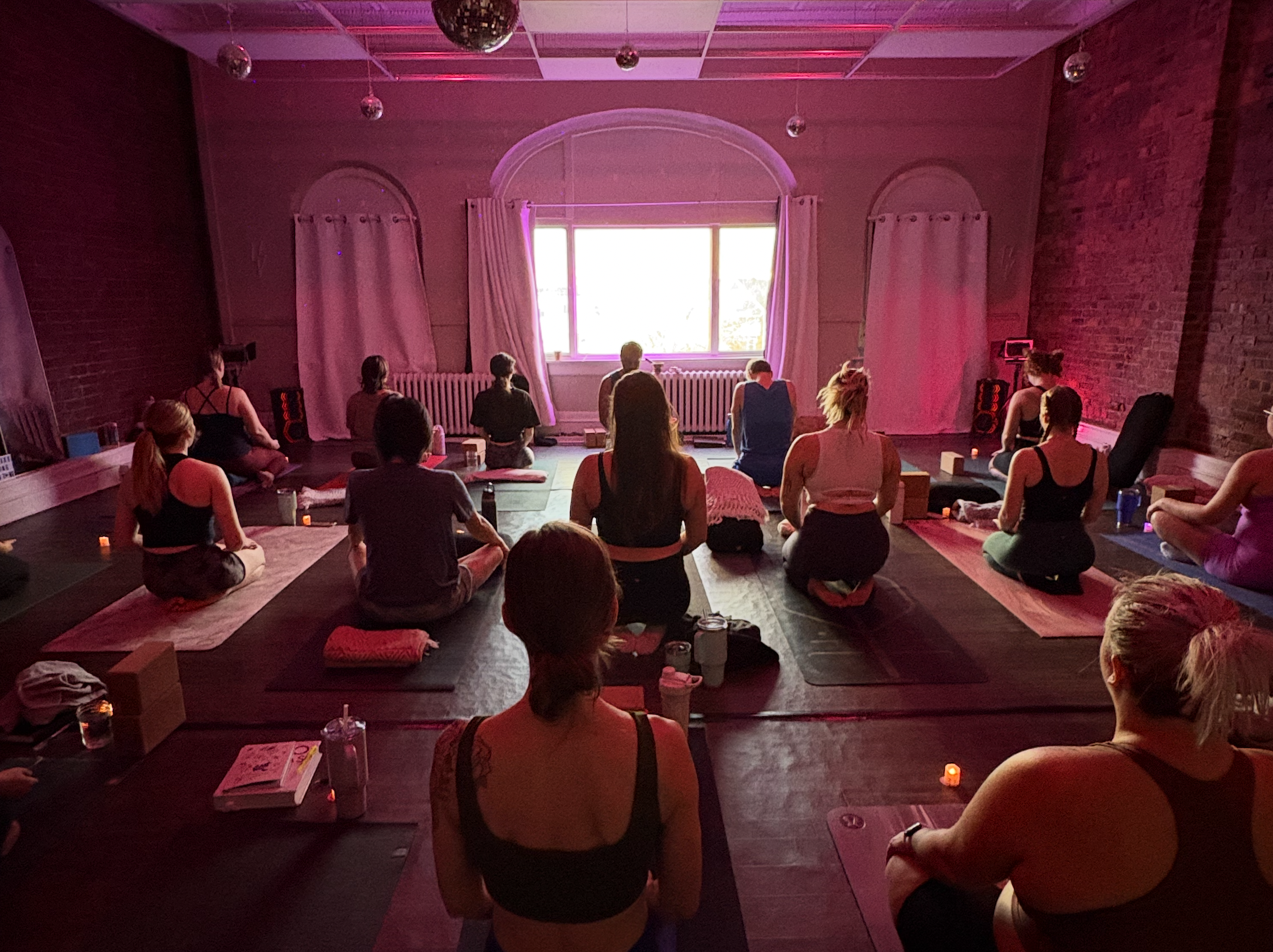
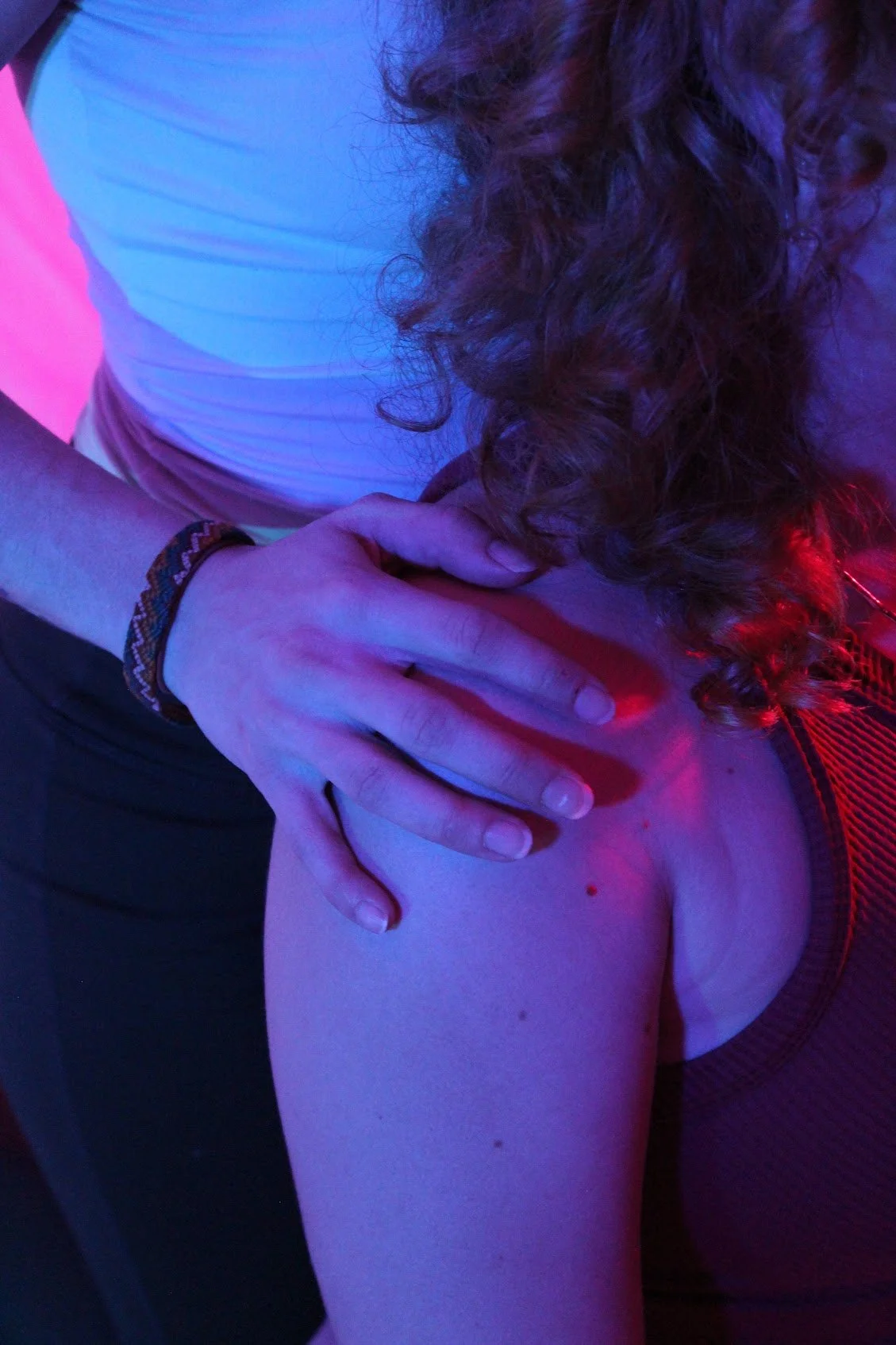
18 weekends. 300 hours. One advanced teaching pathway.
The KOULU 300 moves through four core movements of study: ARRIVE, ATTUNE, ALCHEMY, and EMBODY. Each phase builds on the one before it, moving from nervous system literacy and space holding into voice, sequencing, hands-on skill, anatomy, practicum, and integration.
ARRIVE
Regulation · Safety · Scope · Space Holding
+
ARRIVE
Regulation · Safety · Scope · Space HoldingARRIVE establishes the foundation of the training: nervous system literacy, trauma-aware teaching, ethical scope of practice, and the ability to hold real human experience in the room.
1. Polyvagal, Nervous System & Trauma-Aware Teaching
Learn how fear, safety, regulation, and agency shape the learning environment.
2. Holding Space Mastery
Develop the capacity to hold silence, intensity, vulnerability, and emotional process without rushing to fix.
3. Yin & Restorative: Regulation, Receptivity & Repair
Study slower practice as an advanced teaching art, not as a passive afterthought.
4. Adaptive Teaching: Addiction, Coping, Dysregulation & Scope of Practice
Explore how coping patterns may show up in yoga spaces while staying compassionate, ethical, and within scope.
ATTUNE
Voice · Meditation · Storytelling · Cueing
+
ATTUNE
Voice · Meditation · Storytelling · CueingATTUNE refines the teacher’s voice, language, pacing, silence, and ability to guide from lived experience instead of performance.
5. Meditation & Embodiment
Guide inner practices with authenticity, clarity, and presence.
6. Dharma Talks, Voice & Storytelling
Learn to speak from lived truth instead of borrowed language or spiritual performance.
7. Advanced Cueing: Language, Silence, Cadence & Authentic Presence
Refine how words, pauses, tone, and rhythm shape the nervous system of the room.
ALCHEMY
Breath · Sequencing · Atmosphere · Experience Design
+
ALCHEMY
Breath · Sequencing · Atmosphere · Experience DesignALCHEMY studies the architecture of class experience: breath, posture, pacing, heat, sound, sensory design, and the intelligent arc of practice.
8. Breathwork & Pranayama
Deepen your understanding of breath as regulation, activation, ritual, and practice.
9. Advanced Hatha Sequencing
Design intelligent, grounded, powerful hatha experiences that build with purpose.
10. Advanced Vinyasa Sequencing
Move beyond flow choreography into dynamic, embodied, responsive sequencing.
11. Experience Design: Theme, Atmosphere, Sensory Awareness & Class Arc
Create memorable classes using light, sound, temperature, texture, pacing, and atmosphere.
EMBODY
Touch · Anatomy · Assists · Practicum · Integration
+
EMBODY
Touch · Anatomy · Assists · Practicum · IntegrationEMBODY brings the training into hands-on application, advanced anatomy, technical skill, practicum, mentorship, and final integration.
12. Hands On Level 1: Somatic Touch / SONA
Explore nurturing, consent-based touch as a tool for presence and support.
13. Advanced Lower Body Anatomy, Adaptation & Assisting
Study feet, ankles, knees, hips, pelvis, grounding, and lower-body adaptation.
14. Hands On Level 2: Hot Yoga & Dynamic Vinyasa
Develop hands-on support for stronger, hotter, more dynamic class environments.
15. Advanced Upper Body Anatomy, Adaptation & Assisting
Study spine, shoulders, wrists, neck, breath mechanics, and upper-body support.
16. Hands On Level 3: Advanced Assists, Arm Balances & Inversions
Develop advanced assisting skills for complex postures with safety, clarity, and consent.
17. Practicum Lab I: Teaching, Feedback, Leadership & Professional Development
Integrate the full KOULU methodology through teaching practice, feedback, mentorship, and professional reflection.
18. Practicum Lab II: Integration, Final Teaching & Evaluation
Demonstrate teaching voice, technical skill, space-holding capacity, and advanced teaching integration.
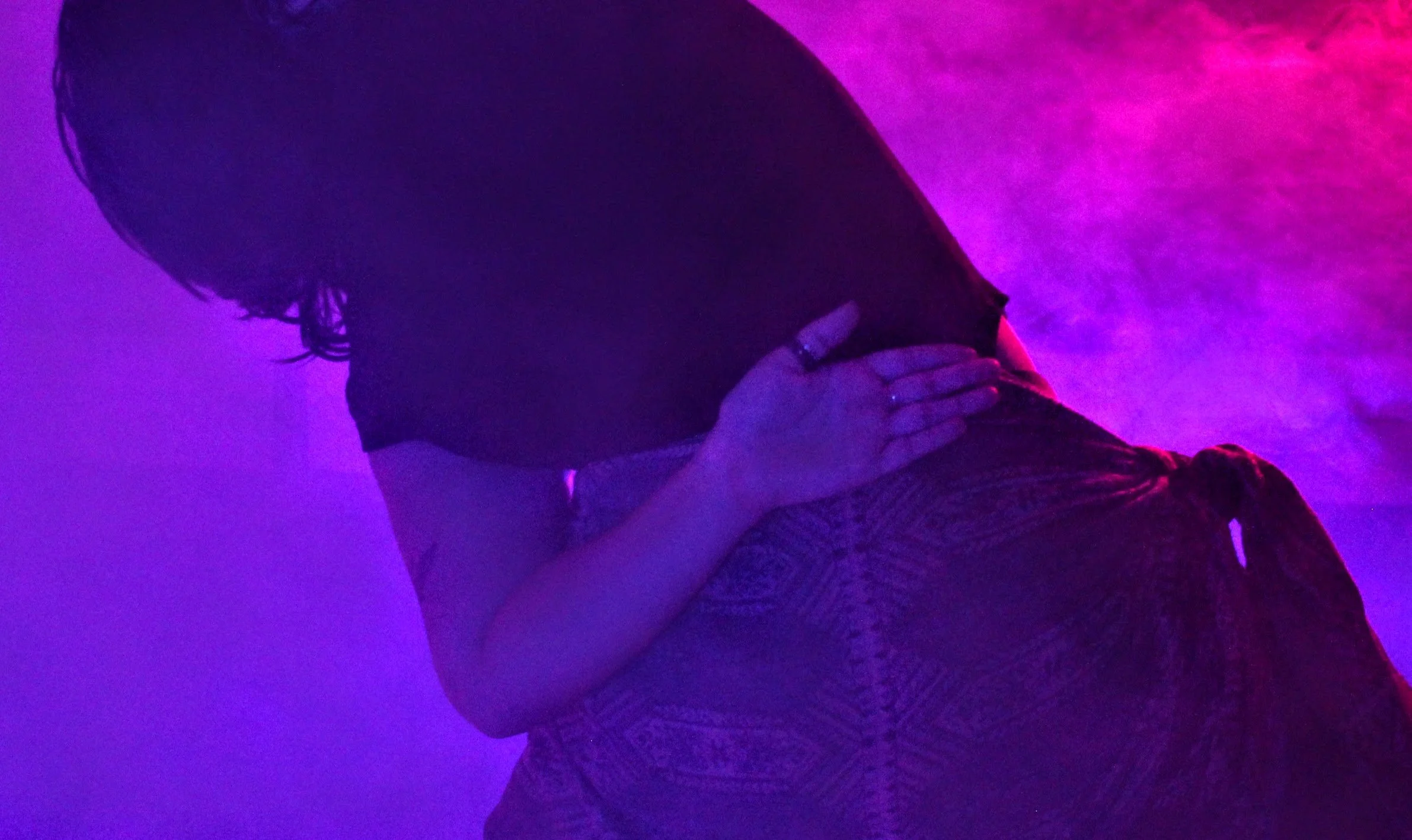
Advanced yoga education for real rooms.
The KOULU 300 studies modern hatha and vinyasa yoga through an embodiment-based, trauma-informed, nervous-system-aware lens. The work is practical, experiential, and built for teachers who want to guide actual human beings - not imaginary perfect bodies in imaginary perfect classes.
Adaptive Postural Yoga
Modern hatha and vinyasa practices that can be shaped around real bodies, real limitations, real capacity, and real life.
Advanced Sequencing
Hatha and vinyasa class architecture that builds intelligently through foundation, breath, movement, intensity, recovery, and integration.
Nervous System Awareness
Polyvagal-informed teaching, regulation, activation, pacing, and the practical art of reducing fear in the room.
Trauma-Informed Teaching
Language, choice, scope, consent, and classroom structure that support autonomy without turning yoga teachers into therapists.
Consent-Based Assists
Hands-on support, somatic touch, and advanced assists taught through autonomy, clarity, permission, and student agency.
Functional Anatomy
Upper and lower body anatomy applied directly to posture, adaptation, sequencing, assisting, contraindications, and movement choice.
Breathwork & Pranayama
Breath as practice, regulation, activation, ritual, focus, and teaching tool — with respect for contraindications and scope.
Meditation & Embodiment
Guiding inner practice through lived experience, grounded language, sensory awareness, silence, and authentic presence.
Dharma, Voice & Storytelling
Speaking from truth instead of performance, building talks that land, and learning how to use story without making class about the teacher.
Experience Design
Light, sound, temperature, texture, pacing, silence, music, atmosphere, and the full sensory field of the class experience.
Scope of Practice
Addiction, coping, dysregulation, referral, boundaries, and the humility to know what yoga can offer — and what it cannot replace.
Practicum & Feedback
Teaching labs, peer reflection, faculty feedback, final evaluation, and the lived practice of integrating the method in the room.
This is yoga education for teachers who want to guide real bodies, in real rooms, and learn what to do when the plan meets an actual human being.
How the training unfolds.
The KOULU 300 moves through a progressive arc of study: nervous system literacy, space holding, voice, sequencing, breathwork, anatomy, hands-on support, practicum, and final integration.
ARRIVE
Regulation · Safety · Scope · Space HoldingPolyvagal, Nervous System & Trauma-Aware Teaching
Study how fear, safety, regulation, agency, and nervous system state shape the learning environment.
Holding Space Mastery
Develop the capacity to hold silence, intensity, vulnerability, and process without rushing to fix, rescue, or fill the room.
Yin & Restorative: Regulation, Receptivity & Repair
Explore slower practices as advanced teaching containers for regulation, restoration, adaptation, and deep listening.
Adaptive Teaching: Addiction, Coping, Dysregulation & Scope of Practice
Learn how coping patterns may show up in yoga spaces while staying compassionate, ethical, grounded, and within scope.
ATTUNE
Voice · Meditation · Storytelling · CueingMeditation & Embodiment
Guide inner practice through sensory awareness, grounded language, silence, presence, and lived experience.
Dharma Talks, Voice & Storytelling
Learn to speak from truth instead of performance, using story and reflection without making the class about the teacher.
Advanced Cueing: Language, Silence, Cadence & Authentic Presence
Refine how words, pauses, rhythm, tone, and timing shape the nervous system and experience of the room.
ALCHEMY
Breath · Sequencing · Atmosphere · Experience DesignBreathwork & Pranayama
Deepen your understanding of breath as practice, regulation, activation, ritual, focus, and teaching tool.
Advanced Hatha Sequencing
Design grounded, powerful hatha experiences that build through structure, breath, intensity, recovery, and integration.
Advanced Vinyasa Sequencing
Move beyond flow choreography into dynamic, intelligent, responsive sequencing for real rooms and real bodies.
Experience Design: Theme, Atmosphere, Sensory Awareness & Class Arc
Study light, sound, temperature, texture, pacing, silence, music, and atmosphere as part of the class experience.
EMBODY
Touch · Anatomy · Assists · IntegrationHands On Level 1: Somatic Touch / SONA
Explore nurturing, consent-based touch as a tool for support, regulation, presence, and embodied connection.
Advanced Lower Body Anatomy, Adaptation & Assisting
Study feet, ankles, knees, hips, pelvis, grounding, lower-body mechanics, adaptation, and safe support.
Hands On Level 2: Hot Yoga & Dynamic Vinyasa
Develop hands-on support for stronger, hotter, more dynamic class environments with consent and clarity.
Advanced Upper Body Anatomy, Adaptation & Assisting
Study spine, shoulders, wrists, neck, breath mechanics, upper-body loading, and adaptation for advanced practice.
Hands On Level 3: Advanced Assists, Arm Balances & Inversions
Develop advanced assisting skills for complex postures with safety, technical clarity, communication, and consent.
CAPSTONE
Practicum · Feedback · Leadership · Final EvaluationPracticum Lab I: Teaching, Feedback, Leadership & Professional Development
Integrate the method through teaching practice, feedback, mentorship, professional reflection, and applied leadership.
Practicum Lab II: Integration, Final Teaching & Evaluation
Demonstrate teaching voice, technical skill, space-holding capacity, sequencing intelligence, and advanced integration.
A plan is useful. A room is alive.